Understanding Different Finishing Options for Wood
When restoring vintage items, the finishing touch can significantly enhance their beauty and longevity. Understanding the various finishing options available for wood is essential for achieving the desired results in restoration projects.
Understanding the Basics
Wood finishing involves applying a protective coating that enhances the appearance of the wood while safeguarding it from damage. According to industry experts, the choice of finish can affect not only aesthetics but also the wood's durability and maintenance needs.
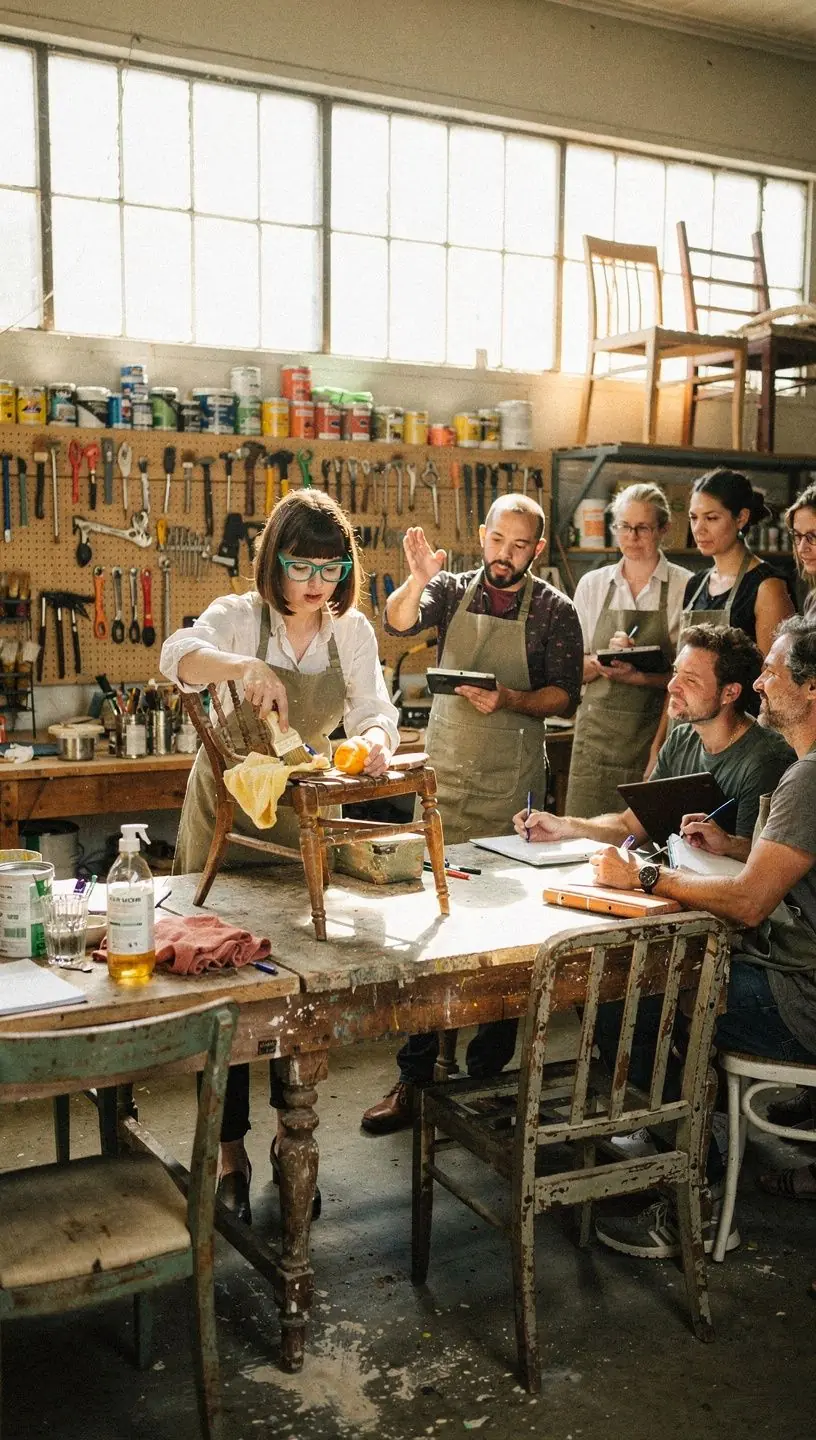
"The right finish can transform an ordinary piece of wood into a stunning focal point in any space." — Woodworking expert
Types of Wood Finishes
There are several finishing options to consider for wood restoration. Here are some commonly used types:
- Varnish: This durable finish provides a hard protective layer and is suitable for items that will face wear and tear. Varnish typically takes 24 hours to dry fully and may require sanding between coats for optimal results.
- Oil: Many users prefer oil finishes, such as tung or linseed oil, as they penetrate the wood and enhance its natural grain. This method typically requires reapplication every few years to maintain protection.
- Shellac: Shellac is a natural finish that dries quickly and provides a warm glow. However, it may not be as durable as varnish or oil, making it more suitable for decorative items rather than functional ones.
- Polyurethane: Known for its resilience, polyurethane creates a tough, water-resistant layer on the wood. It is often recommended for high-traffic furniture or kitchen items, though it requires careful application for a smooth finish.
Factors to Consider When Choosing a Finish
When selecting a finishing option, consider the following factors:
- Purpose of the Item: The finish you choose should align with how the item will be used. For instance, furniture that endures frequent use may require a tough, durable finish.
- Aesthetic Preference: Different finishes can dramatically affect the final appearance of the wood. Choosing the right finish can enhance the wood's natural beauty or alter its color and sheen.
- Maintenance Requirements: Some finishes require more upkeep than others. For example, oil finishes may need regular reapplication, while varnish might only need a fresh coat every few years.
Application Techniques
The method of application can also impact the final finish. Here are some common techniques:
- Brushing: This method allows for even coverage, but may leave brush strokes if not done carefully. It is often used for thicker finishes like varnish.
- Wiping: Wiping on oil finishes is a popular choice for DIY enthusiasts, as it is forgiving and easy to control.
- Spraying: Spray application can achieve a smooth, professional-looking finish; however, it requires practice and equipment such as spray guns.
Conclusion
Choosing the right wood finish is a crucial step in the restoration process. By understanding the different options available and considering factors such as the purpose of the item and maintenance requirements, you can enhance the beauty and longevity of your vintage pieces. Remember, each finish has its particular advantages and limitations, and careful application will help achieve the best results.
Read More