Evaluating the Authenticity of Vintage Collectibles
Collecting vintage items is a rewarding hobby that combines passion, history, and sometimes, a significant investment. Understanding how to evaluate the authenticity of these collectibles can significantly enhance your collecting experience and prevent costly mistakes.
Understanding the Basics of Vintage Collectibles
Vintage collectibles encompass a wide array of items, from toys and furniture to jewelry and art. Evaluating authenticity is crucial since many reproductions exist, and distinguishing them from genuine articles can be challenging. According to industry experts, it is essential to familiarize yourself with the common traits of authentic items, such as materials used, craftsmanship, and historical context.
"Research indicates that about 30% of collectibles sold online may be misrepresented, highlighting the importance of due diligence when purchasing."
Key Characteristics to Identify Authenticity
When assessing vintage collectibles, consider the following characteristics:
- Materials: Authentic vintage items are often made from specific materials that were popular during their time of production. For example, mid-century furniture typically utilized solid wood rather than particle board.
- Craftsmanship: Many vintage collectibles exhibit craftsmanship that is difficult to replicate. Look for signs of handwork such as uneven stitching in textiles or irregularities in molded shapes.
- Provenance: A well-documented history can enhance the value of an item. Collectibles with a known origin or previous ownership by a notable figure are generally considered more authentic.
Researching and Verifying Authenticity
To effectively evaluate the authenticity of a vintage collectible, follow these steps:
- Research the Item: Utilize online resources, books, and vintage collectors' forums to gather information about the specific item you are interested in. Many experienced collectors recommend starting with reputable websites that specialize in vintage goods.
- Look for Markings: Many vintage items feature markings, stamps, or labels that can help verify their authenticity. Familiarize yourself with these indicators as they can be crucial for establishing an item’s legitimacy.
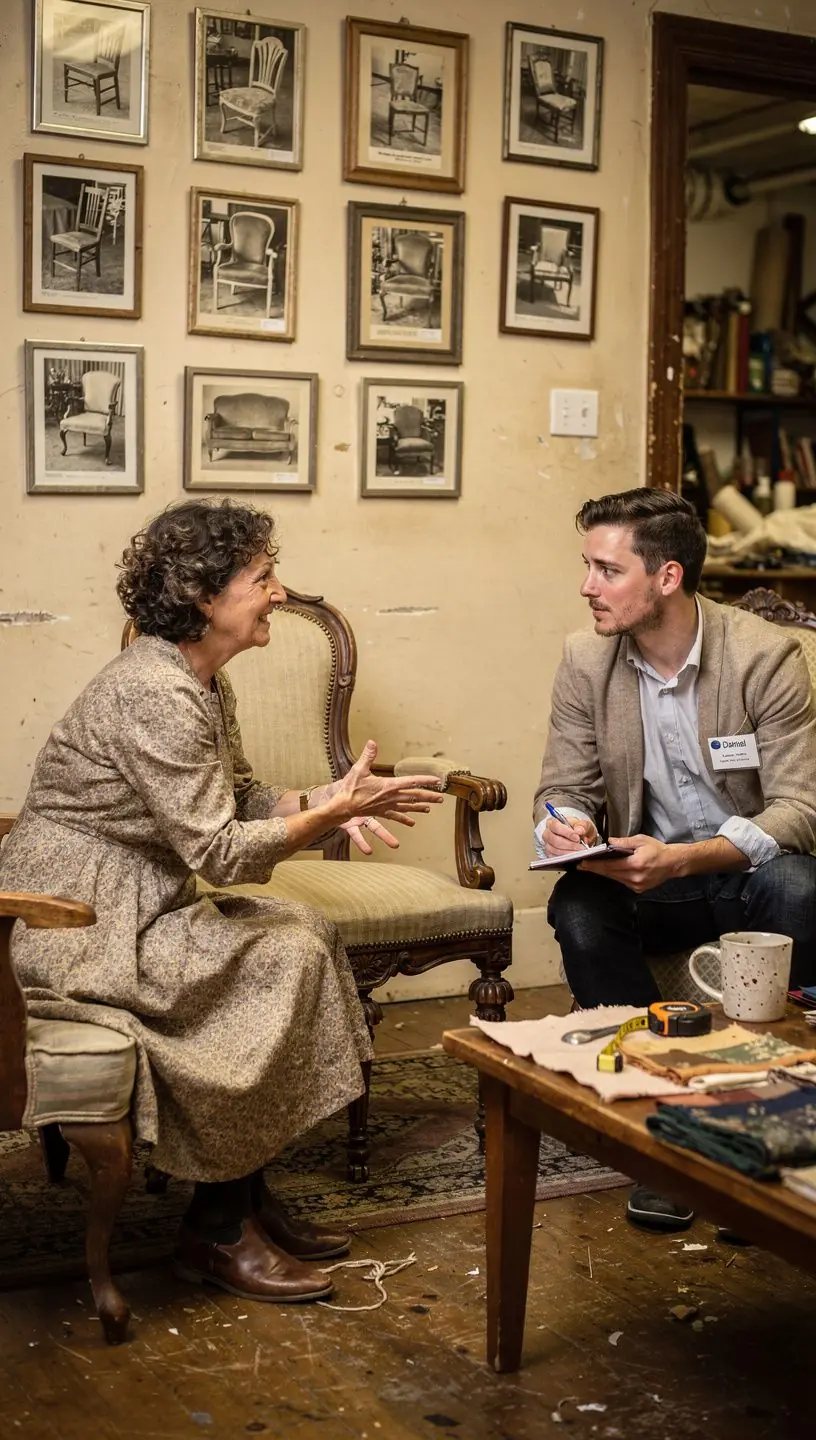
- Seek Expert Opinions: If you remain uncertain about an item's authenticity, consider consulting an expert. Many restoration workshops, like ours at plzenkrade, offer in-person assessments that can help clarify doubts.
Limitations and Realistic Expectations
While evaluating vintage collectibles can be enlightening, it does come with limitations. Assessing authenticity typically requires a significant time investment, as knowledge accumulation and hands-on experience are essential. Understand that even experts can have difficulty identifying certain items, especially in cases where fakes have been expertly crafted.
"Experts recommend taking your time to learn and understand the nuances of vintage collecting. Patience often yields better results." - Industry Insider
Conclusion
Evaluating the authenticity of vintage collectibles is a multifaceted process that can significantly enhance your collecting experience. By combining research, expert opinions, and practical assessments, you can build a collection that holds both aesthetic and financial value. At plzenkrade, we are dedicated to providing reliable services for vintage restoration and resale-ready finishing, ensuring that your collectibles not only tell a story but are also authentic pieces of history.
Read More