How to Maintain Restored Items for Longevity
When you invest time and care into restoring vintage items, maintaining their condition is essential for ensuring their longevity. This article offers practical tips and evidence-based recommendations to help you keep your restored treasures in top shape.
Understanding the Basics of Item Care
Maintaining restored items involves understanding the materials involved in their restoration. According to industry experts, different materials require tailored care techniques. For instance, wood items may need regular polishing, while fabric items could benefit from gentle cleaning methods.
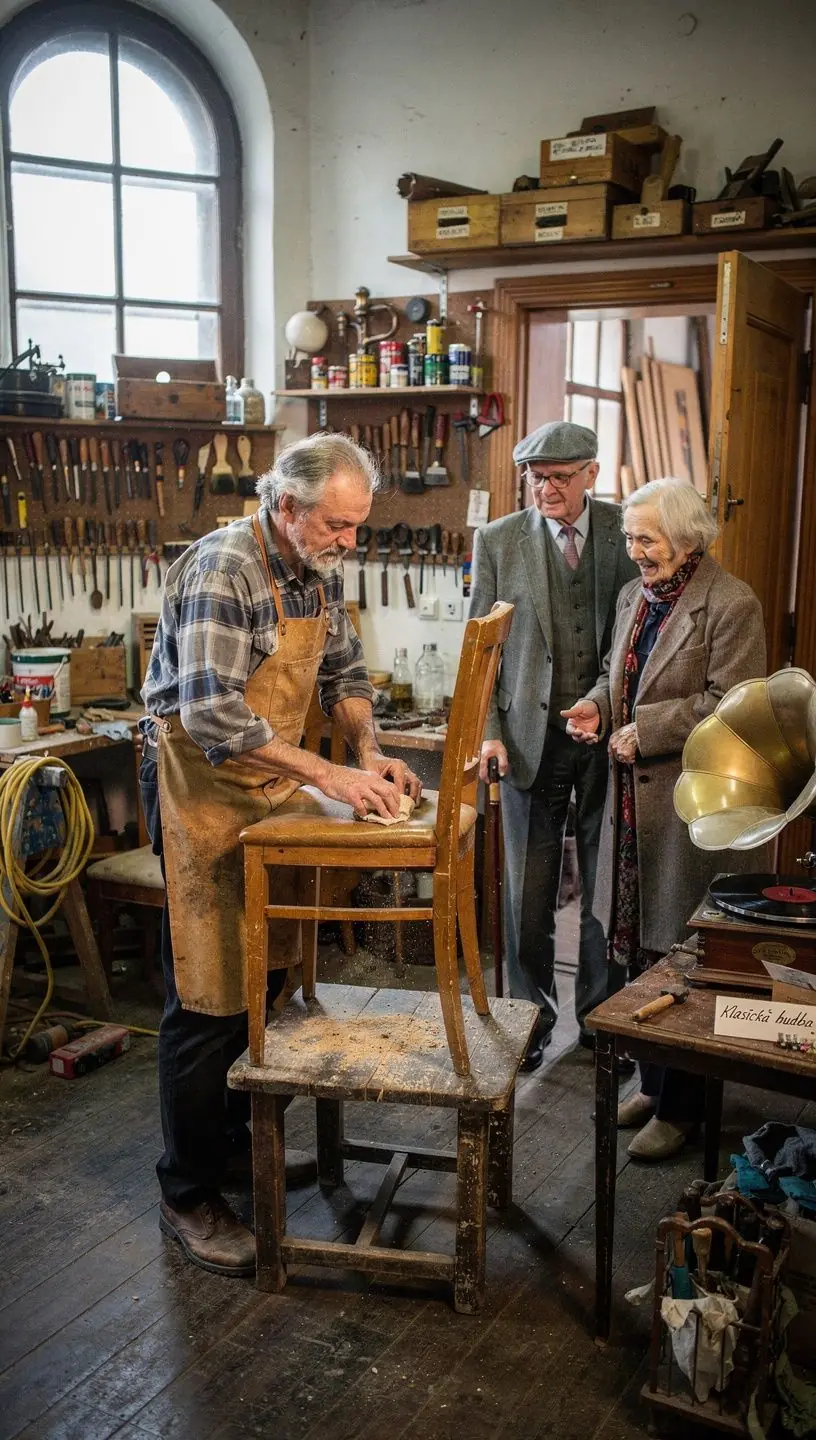
"The principle behind maintaining restored items is to protect the integrity of the materials and finish used during restoration." - Antique Restoration Expert
Practical Steps for Maintenance
- Regular Cleaning: Most restored items should be cleaned regularly to prevent dust buildup. Experts recommend using a soft, dry cloth for delicate surfaces. Typically, this should be done every few weeks.
- Control the Environment: Items should be stored in a stable environment, ideally with regulated temperature and humidity. Research indicates that fluctuating conditions can cause materials to warp or deteriorate.
- Periodic Assessments: Conducting regular assessments can help identify any potential issues early. Experts suggest checking for signs of wear or damage every 6 months to a year.
Special Considerations for Specific Items
Different types of restored items require unique care approaches:
- Furniture: Wood furniture should be treated with specialized cleaners and polishes. Many users report that following a routine maintenance schedule extends the life of their pieces significantly.
- Textiles: Fabric items, such as vintage clothing or upholstery, often require dry cleaning or gentle washing methods. Studies show that improper cleaning can lead to fabric deterioration.
- Artwork: Restored paintings should be kept away from direct sunlight to prevent fading. Experts recommend using UV-protective glass for framing.
Conclusion
Maintaining your restored items is a rewarding practice that pays off in the long run. By following these guidelines and understanding the specific needs of your items, you can help ensure their longevity. Remember, while these practices can greatly improve the lifespan of restored items, they require consistent effort and attention to detail.