Common Mistakes in Vintage Item Restoration
Restoring vintage items can be a rewarding yet challenging endeavor. Understanding the common mistakes that many enthusiasts make can significantly improve your restoration results. This article outlines typical pitfalls and offers insights on how to avoid them.
Understanding the Restoration Process
Restoration involves carefully repairing and rejuvenating items while maintaining their historical integrity. Experts recommend a systematic approach to restoration that typically includes assessment, cleaning, repair, and finishing. Each step requires attention to detail and knowledge of the materials involved.
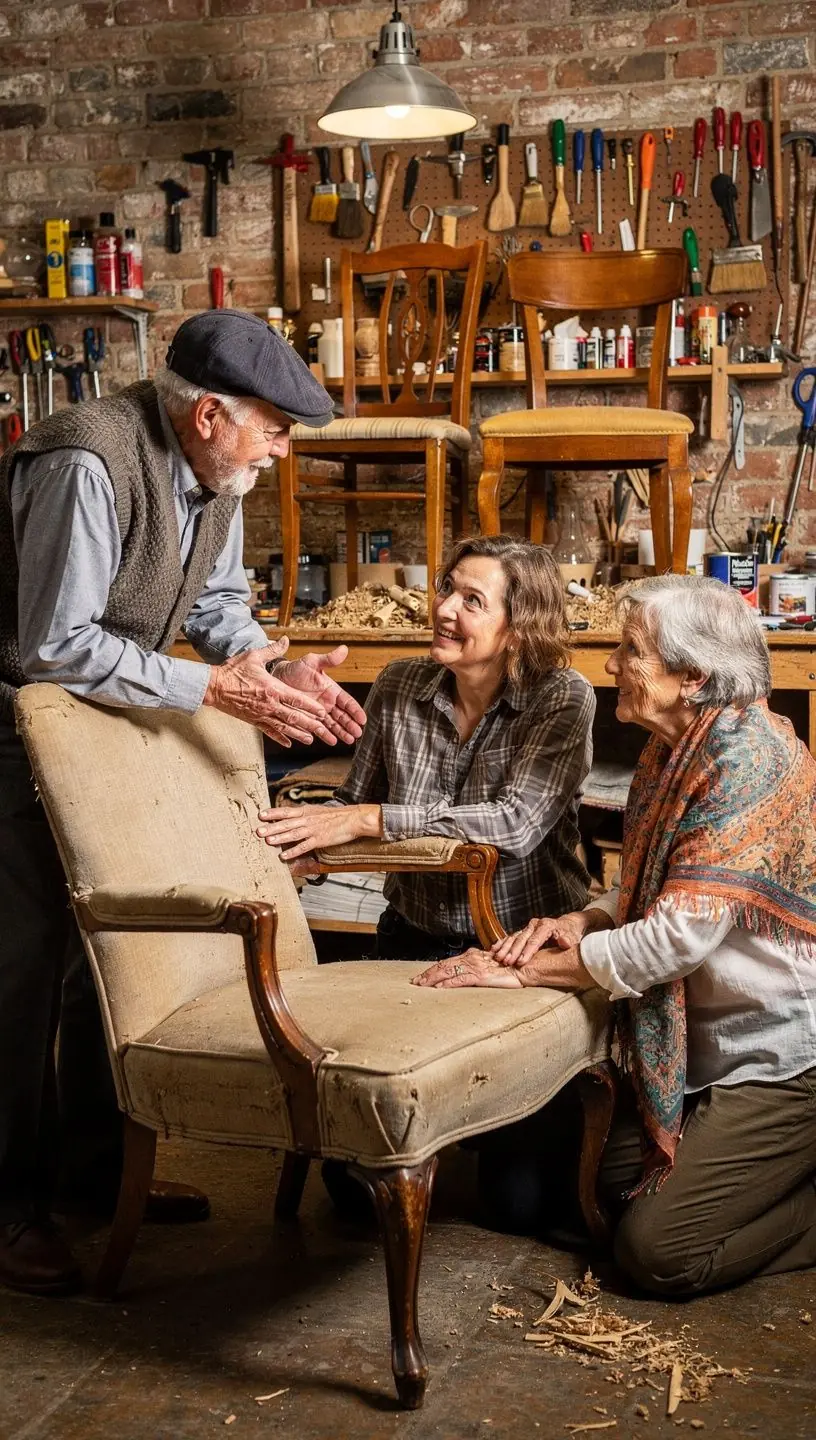
"Restoration is an art that blends craftsmanship and historical knowledge." - Vintage Restoration Expert
Common Mistakes to Avoid
- Ignoring the Item's History: One of the most critical mistakes is overlooking the historical significance of an item. Restoration should respect the item's original design and purpose. According to research, restoring with historical context can enhance the item's value.
- Using Inappropriate Materials: Many users report that utilizing modern materials instead of period-appropriate ones can detract from the item's authenticity. Standard practice in the restoration field emphasizes using materials that match the item’s original specifications.
- Skimping on Cleaning: Rushing the cleaning process can lead to damaging the item. Effective cleaning typically requires the use of gentle methods and safe materials, as harsh chemicals can cause irreversible damage.
- Neglecting Structural Repairs: Focusing solely on aesthetics while ignoring structural integrity can lead to long-term issues. Experts recommend addressing any structural concerns before moving to cosmetic refinishing.
- Over-Restoration: This is a frequent mistake where the item is restored beyond its original state. Maintaining authenticity is vital, and restoration should aim to preserve rather than transform the item.
The Importance of Professional Assessment
Before undertaking a restoration project, professionals advise conducting a thorough assessment of the item. This process typically involves examining the construction, materials, and previous repairs. A detailed evaluation can help identify the best restoration approach, ensuring that all interventions are appropriate and minimally invasive.
Steps to Successful Restoration
- Research the Item: Understanding the specific history and design of the item can guide your restoration efforts. Look for reputable sources and documentations that provide context.
- Plan Your Approach: Establish a clear plan that outlines the steps involved in the restoration process. This planning phase can help avoid common errors and missteps.
- Consult Experts: When in doubt, seeking the advice of professionals can save time and resources. Experts often share valuable insights based on their experiences with similar projects.
Conclusion
Restoration of vintage items requires patience, care, and knowledge. By being aware of common mistakes and taking a thoughtful approach, you can enhance the beauty and value of your vintage finds. Remember that successful restoration is not just about achieving a flawless finish; it’s about preserving history and craftsmanship for future generations.