Understanding the Role of Patience in Restoration
Restoring vintage items can be a rewarding yet challenging endeavor. This article explores the crucial role of patience in the restoration process, highlighting how taking the time to understand and evaluate each piece can lead to better results and longevity in the outcome.
The Importance of Patience in Restoration
Restoration is a meticulous process that often requires significant time and effort. According to experts in the field, patience is one of the most valuable attributes a restorer can possess. Many users report that rushing through repairs can lead to mistakes that are difficult to rectify later.
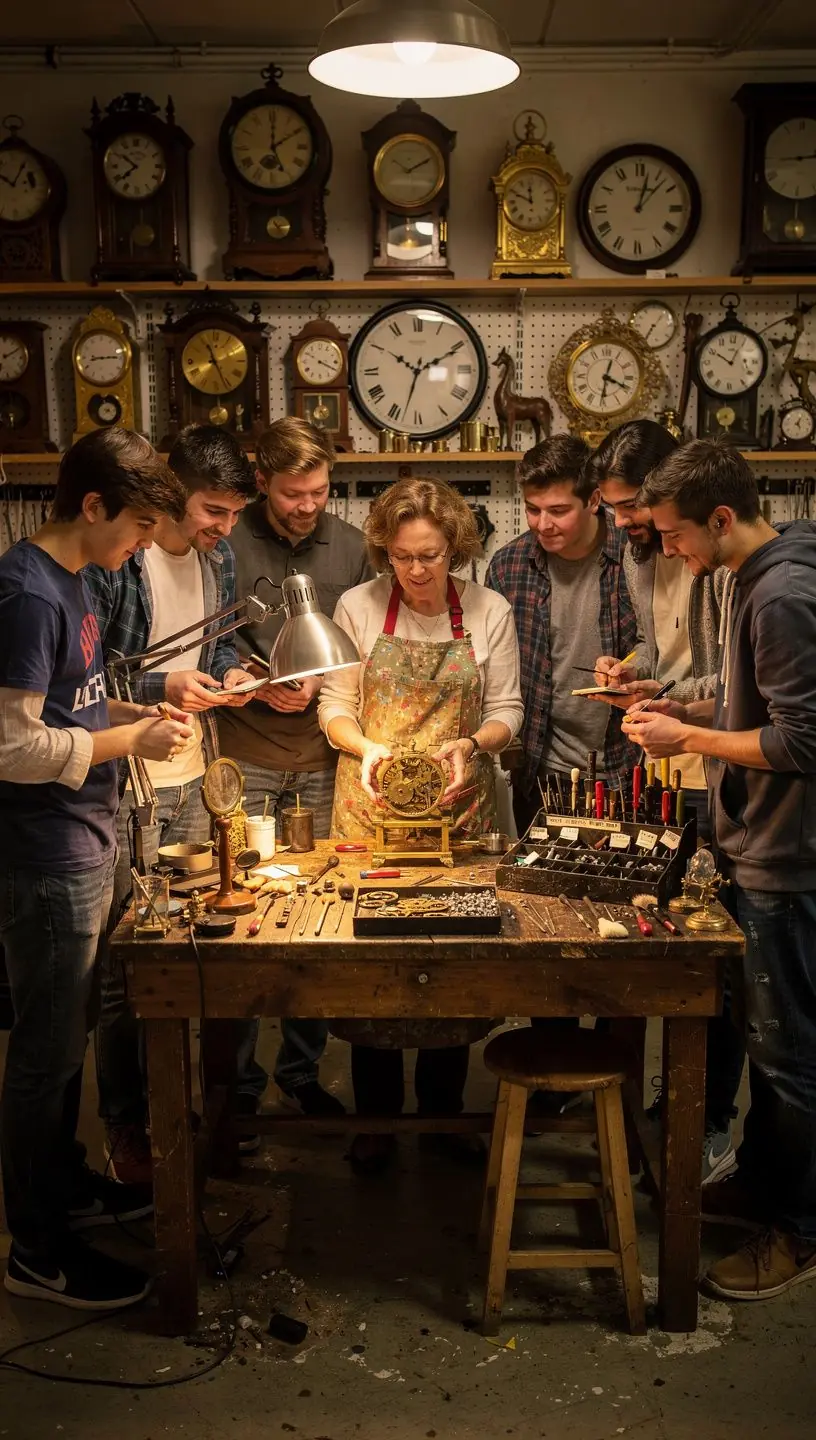
"Rushing the restoration process often results in overlooking critical details that can affect the quality and integrity of the item." - Restoration Expert
The Restoration Process: Why Patience Matters
Understanding the restoration process involves acknowledging its various stages, each of which benefits from a patient approach:
- Assessment: Taking the time to thoroughly assess the condition of an item is essential. This typically involves identifying any damage or areas in need of attention and understanding how different materials will react to restoration methods.
- Research: Many restorers find that conducting research on the item’s history and original materials can be invaluable. Experts recommend this step, as it informs the selection of appropriate restoration techniques.
- Repair: When it comes to making repairs, a careful, deliberate approach is necessary. This often requires multiple attempts and adjustments, which can take time but ultimately leads to a more satisfying outcome.
- Finishing: The final touches on a restored item, such as polishing or applying a protective coat, should not be rushed. This stage is crucial for achieving a resale-ready finish and ensuring the piece’s longevity.
Challenges and Realistic Expectations
While patience is vital, it’s important to acknowledge that restoring vintage items often requires a commitment of time. In most cases, restoration projects can take anywhere from a few weeks to several months, depending on the item’s complexity. Additionally, some techniques have a learning curve that may require dedication and practice.
Moreover, not every restoration technique will work for every item. For instance, certain materials may not react well to specific solvents or techniques, and understanding these limitations is part of the patient restoration approach.
Conclusion
In conclusion, embracing patience in the restoration process can lead to better results and a deeper appreciation for vintage items. By taking the time to assess, research, and carefully execute repairs, restorers can not only enhance the aesthetic appeal of their projects but also ensure their durability. Remember, while quick fixes may seem appealing, the true value of restoration lies in its careful execution.