Exploring Eco-Friendly Restoration Practices
In a world increasingly focused on sustainability, the restoration of vintage items presents a unique opportunity to embrace eco-friendly practices. This article delves into effective methods used in restoration workshops, emphasizing the importance of minimizing environmental impact while maintaining quality craftsmanship.
Understanding Eco-Friendly Restoration
Eco-friendly restoration practices are grounded in the principles of sustainability and resource conservation. According to research, restoring vintage items instead of disposing of them can significantly reduce waste. Many experts recommend that this approach aligns with the circular economy model, which emphasizes reusing, repairing, and recycling materials to extend their lifecycle.
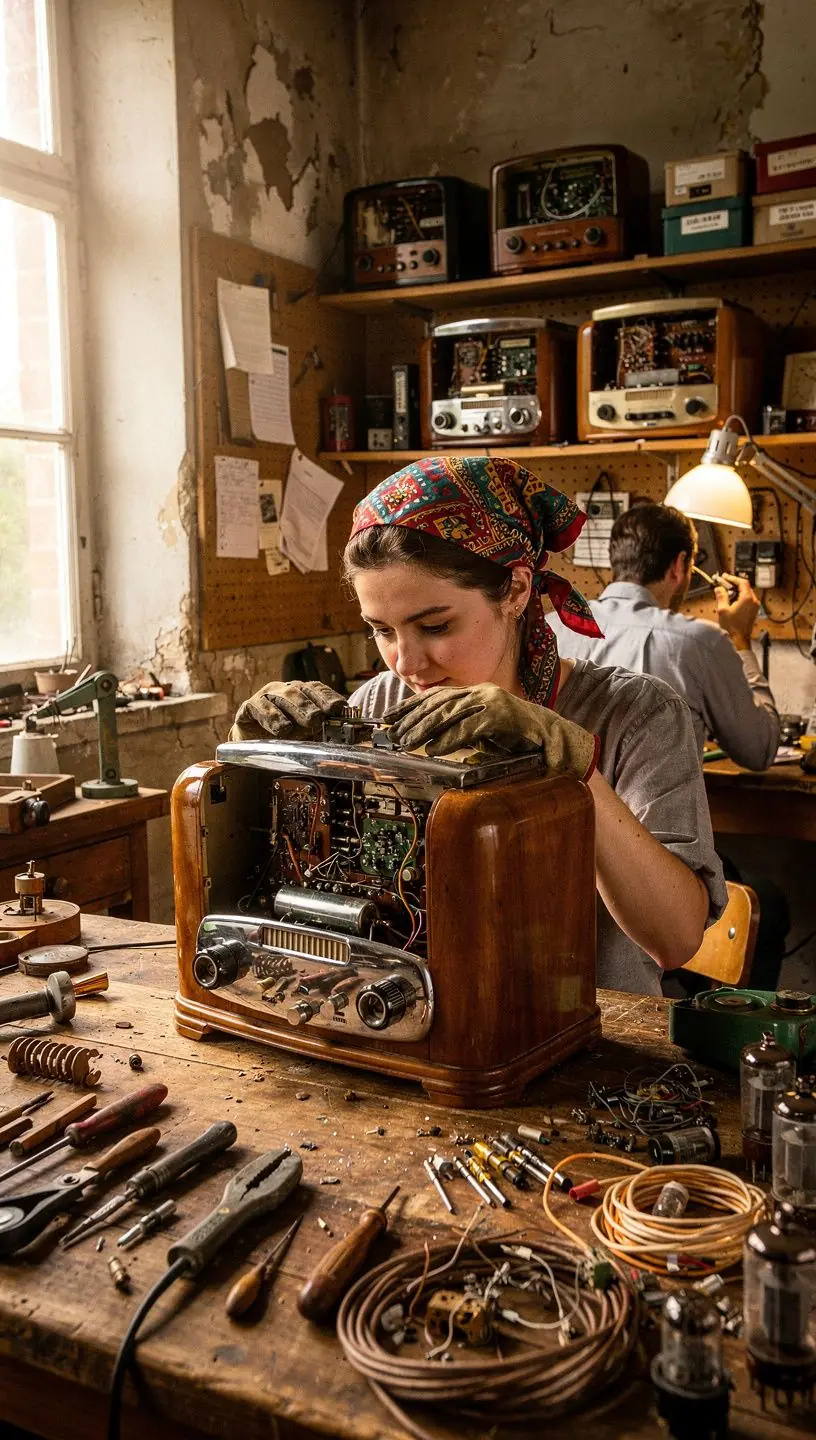
"Restoration not only saves vintage items from landfills but also preserves history and reduces the demand for new resources."
Key Eco-Friendly Practices in Restoration
The following practices are commonly adopted in eco-friendly restoration workshops:
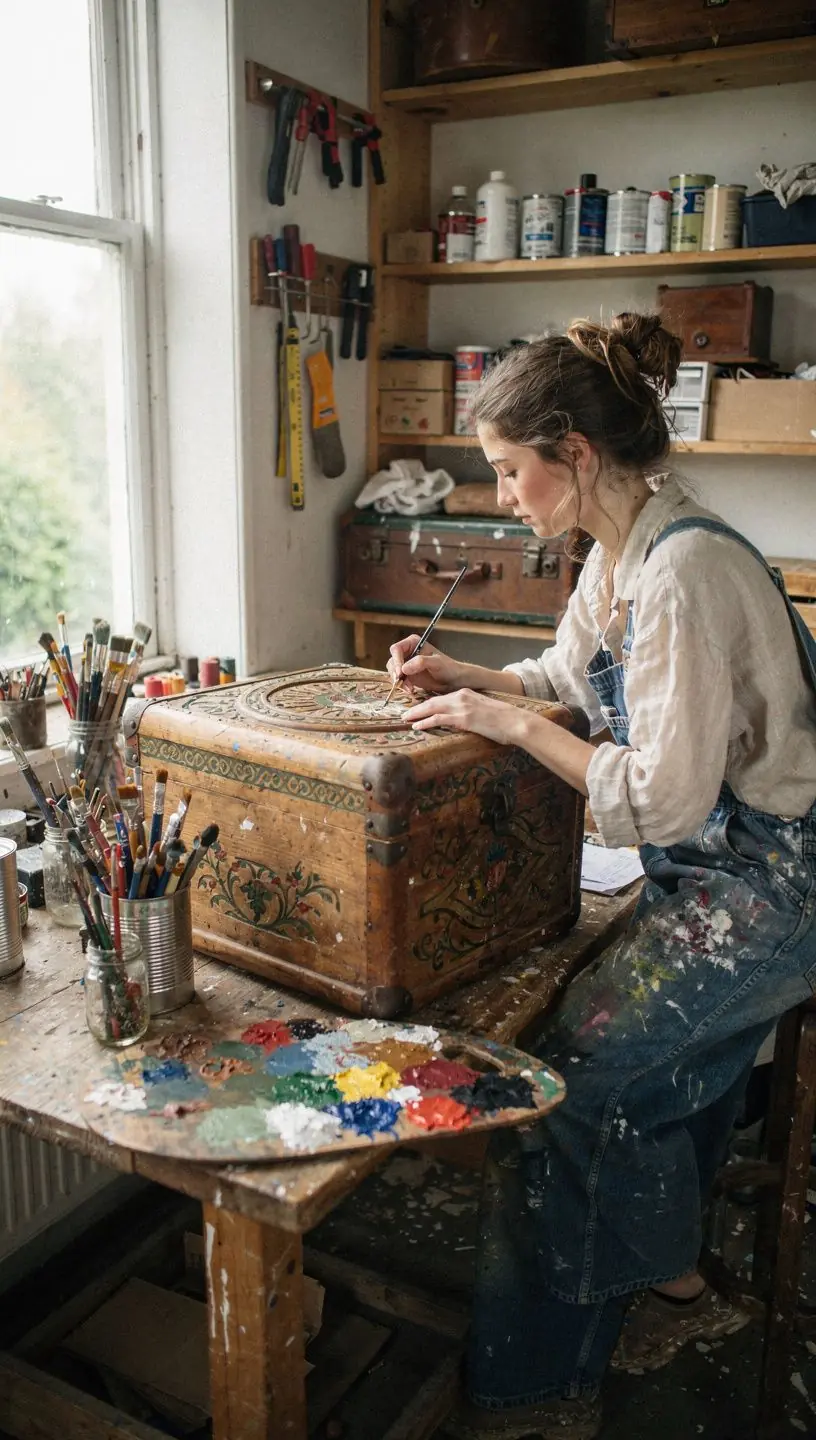
- Use of Sustainable Materials: Many workshops now utilize eco-friendly paints, glues, and finishes made from natural ingredients. Research indicates that these alternatives often have a lower environmental impact compared to traditional chemicals.
- Repair over Replace: Experts suggest that the focus should be on repairing damaged components instead of replacing them entirely. This method not only saves resources but often retains the item’s original character.
- Energy Efficiency: Utilizing energy-efficient tools and techniques not only reduces the carbon footprint of restoration processes but can also lower operational costs in the long run. According to studies, workshops that adopt energy-efficient practices often report a 15-20% reduction in energy consumption.
Challenges and Limitations
While eco-friendly restoration practices offer numerous benefits, they are not without challenges. For instance, sourcing sustainable materials can sometimes require additional time and effort, as they may not be as readily available as conventional options. Typically, this can extend project timelines by a week or two.
Furthermore, the skills required for effective restoration can involve a steep learning curve. Many users report that gaining proficiency in using eco-friendly materials and methods often necessitates additional training and practice.
Educating Clients on Eco-Friendly Choices
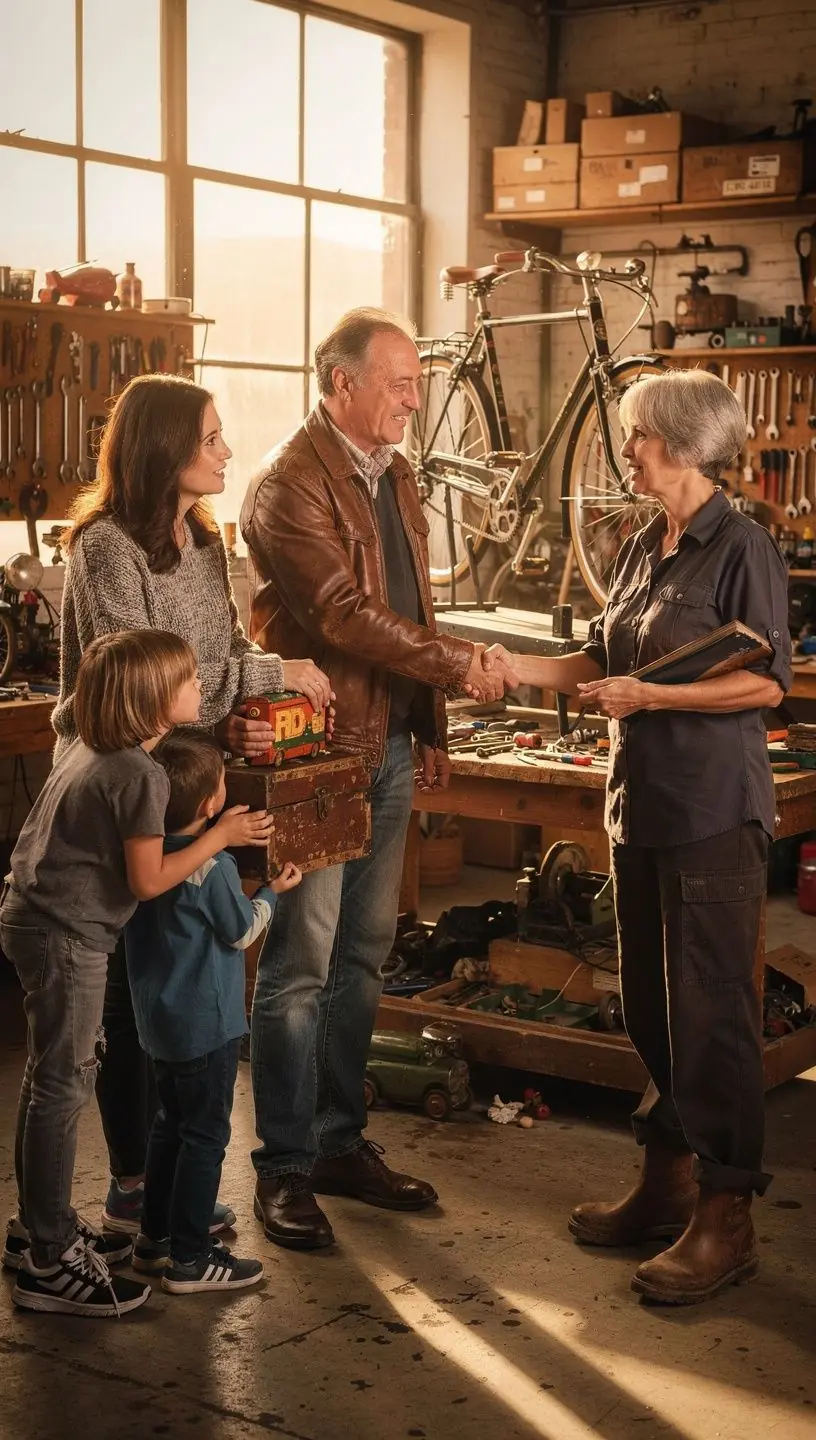
Part of promoting eco-friendly restoration involves educating clients about the benefits of these practices. Clear communication about the processes involved helps set realistic expectations. For example, clients should be made aware that while the restoration process may take longer due to the careful selection of materials, the end result is often a more durable and environmentally responsible product.
Conclusion
As the demand for sustainable practices continues to rise, restoration workshops in the Czech Republic and beyond have an opportunity to lead the charge. By integrating eco-friendly methods into their processes, they can not only enhance the longevity of vintage items but also contribute positively to the environment. Embracing these practices requires a commitment to education and adaptation, but the benefits for both businesses and the planet are worth the effort.